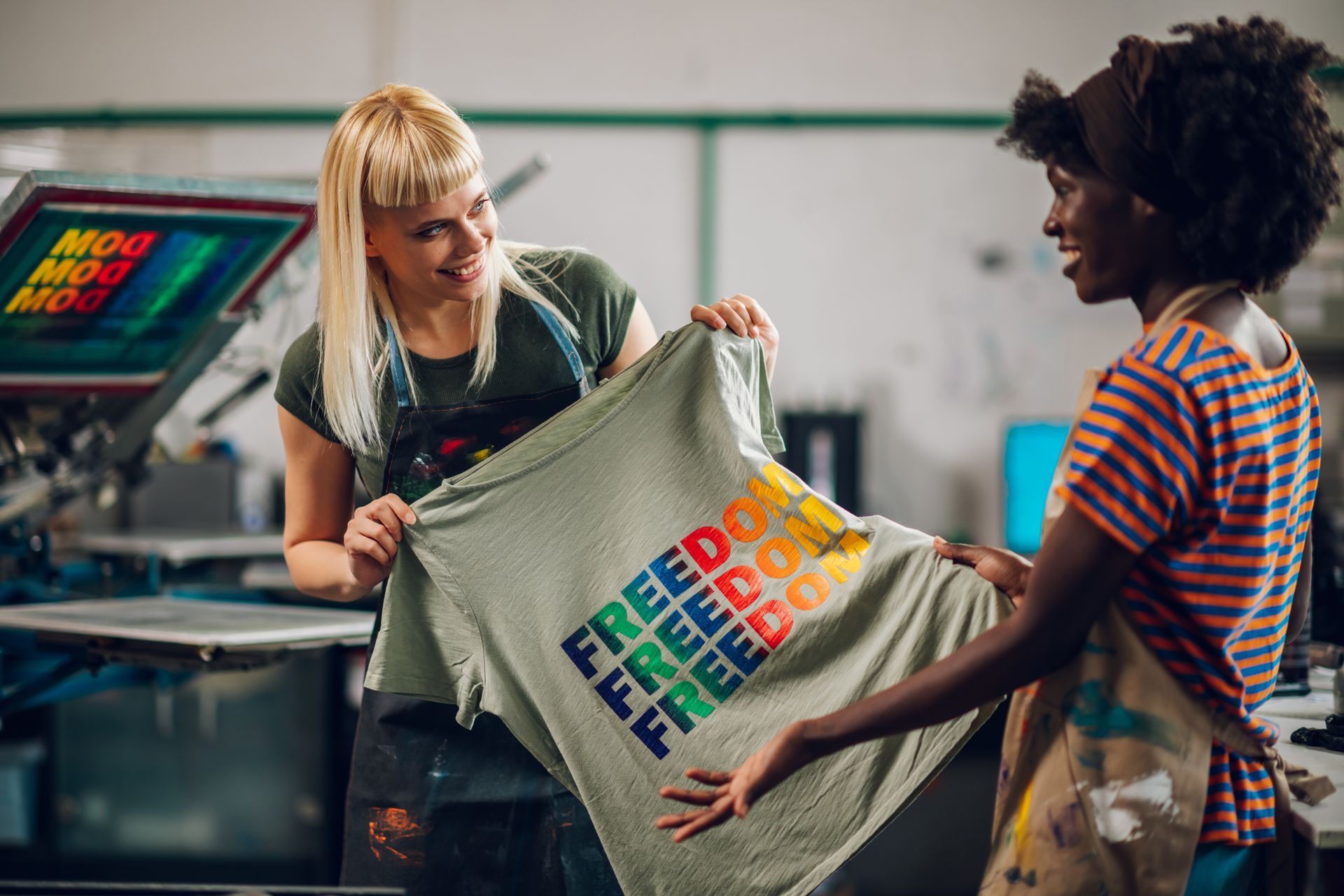

Screen Printing Fabrics: Cotton vs. Polyester vs. Blends – Which Tee is Best for Screen Printing?
For Australian business owners and tradies in Coffs Harbour, choosing the right branding method for workwear matters. Whether you are ordering uniforms or promo tees, achieving a professional, long-lasting finish starts with picking the right screen printing fabrics. How fabric and ink interact determines the look and life of your logo. This article compares cotton, polyester, and blends, and offers practical advice to keep your workwear sharp and durable in Coffs Harbour’s conditions.
The Common Dilemma: Choosing The Right Branding Method For Australian Business Owners
Why The Right Fabric Choice Matters For Professional Workwear
Fabric affects more than colour and comfort. In physically demanding trades and outdoor jobs common around Coffs Harbour, shirts face frequent washing, sun, salt air, and abrasion. The wrong fabric can mean prints that crack, peel, or fade faster, which raises replacement costs and makes the team look tired. Choosing a fabric that suits both the job and the printing process keeps branding clear and reduces ongoing expense.
Screen Printing Vs. Other Branding Techniques
Embroidery works well for small, textured logos and adds a tactile, premium feel. It can become pricey, especially on large areas. Screen printing remains the go-to for bold, colourful artwork across large panels like backs and sleeves. The catch is, screen printing performs best when the fabric accepts the ink, so fabric compatibility is the key to prints that last.
Understanding Screen Printing Fabrics
Why Natural Fibres Like Cotton Are Ideal
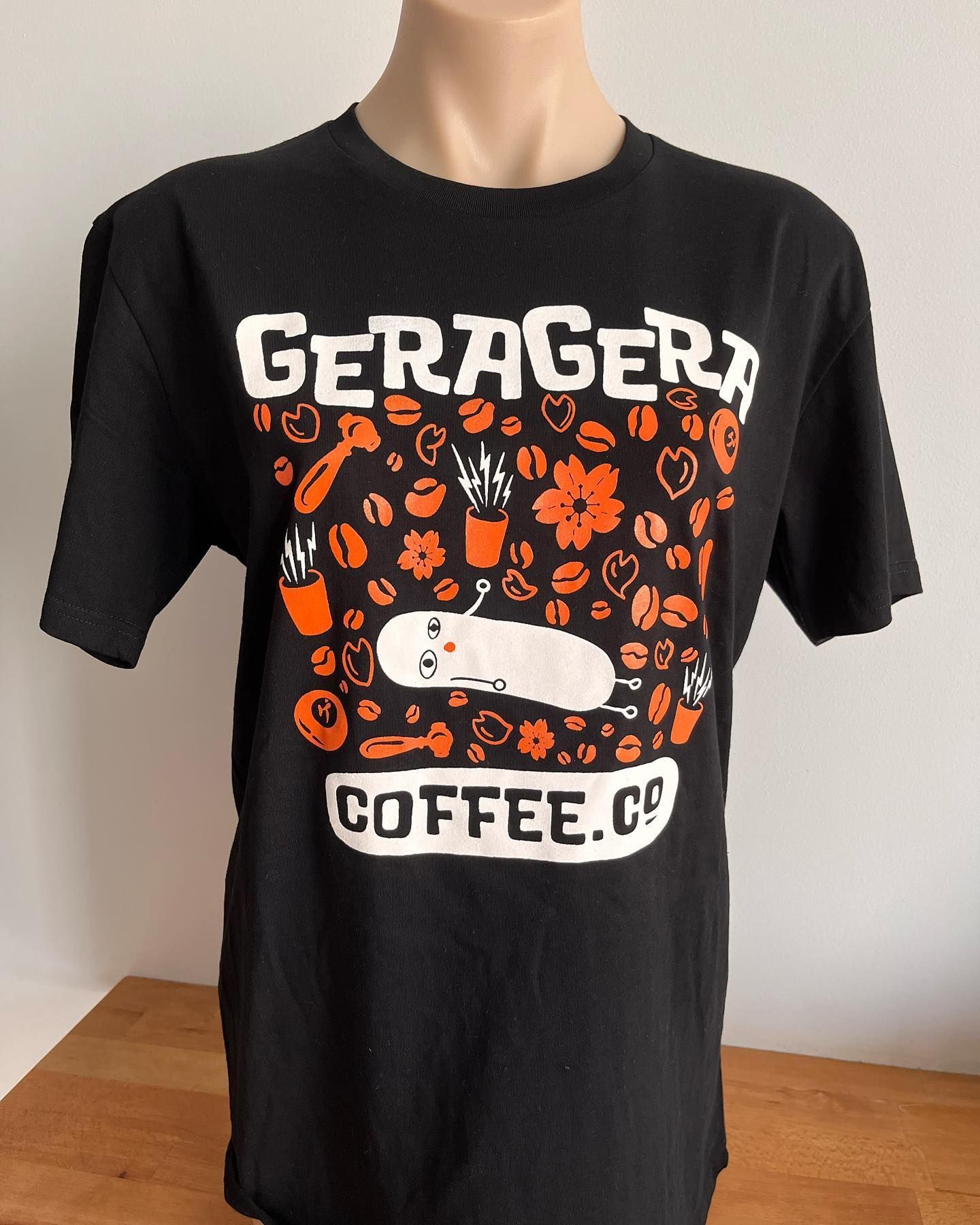
Cotton is widely recognised as an excellent screen printing fabric across Australia, especially for custom cotton tees Australia makers produce. Its natural fibres take up ink more readily, so the design becomes part of the fabric rather than sitting on top. The result is prints that handle repeated washes without cracking or peeling. Cotton is also soft and breathable, which matters when crews work long, physical shifts outdoors.
How Fabric Affects Ink Absorption And Print Quality
Polyester and many synthetic blends score points for strength and minimal shrinkage. They can, however, be tricky for standard screen printing inks, which may struggle to bond with synthetic fibres. That can lead to prints that lack depth or fade sooner. There are specialised inks and techniques that improve adhesion on polyester, but for consistent, crisp results, natural fibres such as cotton remain the most reliable choice.
The Durability Showdown: Screen Printing Ink Vs. Embroidery Thread
Screen Printing For High-Impact Designs
Screen printing on cotton delivers bold, high-contrast images, ideal for large branding on backs or sleeves. It produces sharp, attention-grabbing designs that work well at events, on sites, and with vehicle signage. For businesses that rely on visual impact, screen printing is efficient and versatile.
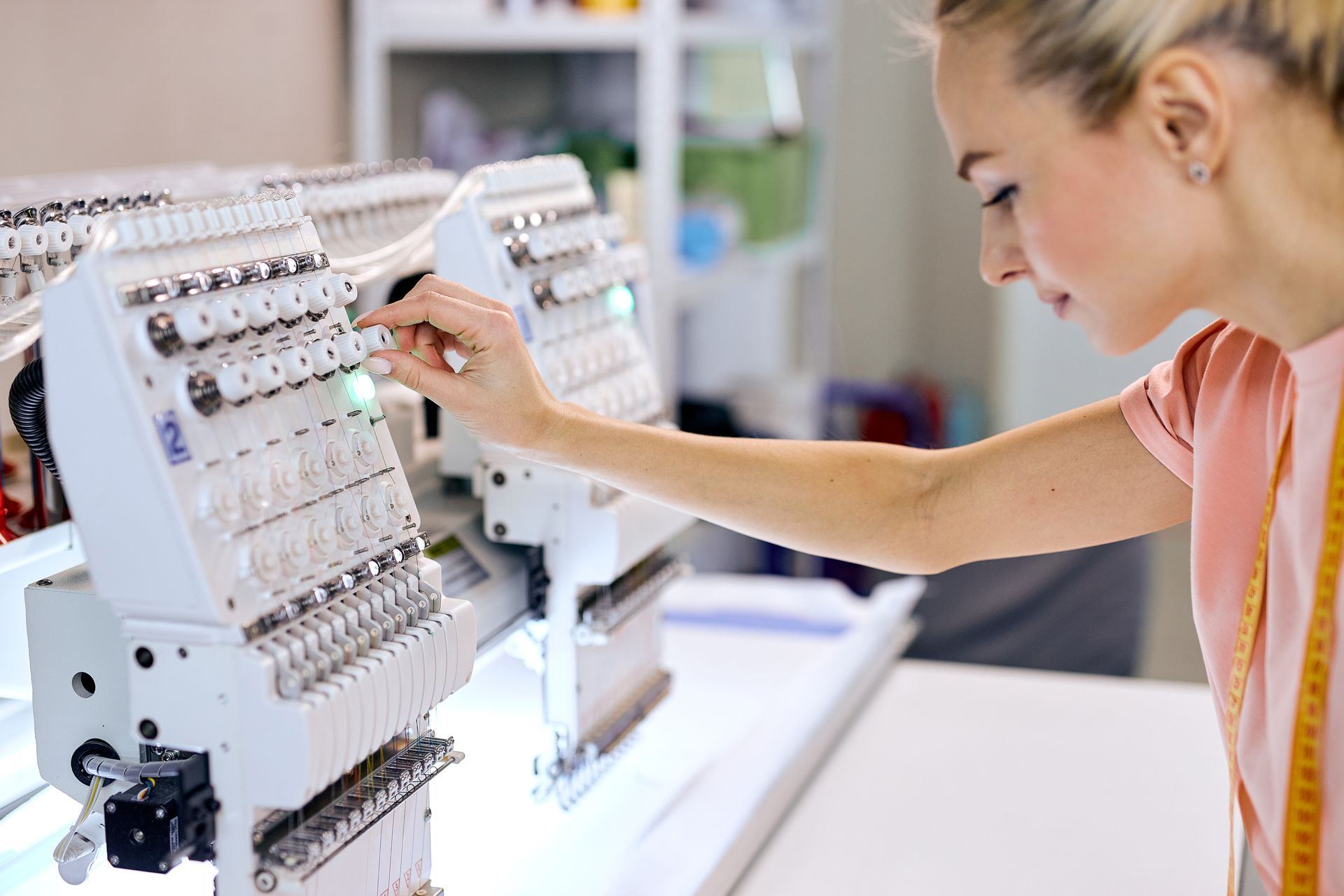
H3. Embroidery’s Strength For Pocket Logos And Detail Work
Embroidery shines for small logos on pockets and sleeves where texture matters. Stitched threads handle regular contact and abrasion, often outliving printed details in those spots. A common approach is to combine screen printed backs with embroidered pockets, balancing visual punch with long-term toughness.
Why Custom Cotton Tees Are An Aussie Trade Staple
Breathability And Comfort For Outdoor Work
Coastal locations like Coffs Harbour need breathable clothing that manages heat and moisture. Custom cotton tees Australia produces are valued for allowing good air flow, which reduces heat build-up and improves comfort during long shifts. Comfortable crews stay productive. Simple as that.
Superior Print Vibrancy And Fabric Longevity
Custom cotton tees hold screen printing colours well, resisting fading and peeling even under tough conditions. Australian-made cotton tends to be high quality, which helps garments last longer. For trades that depend on branded workwear, that longevity translates into better value over time.
Maintenance & Longevity Of Your Screen Printed Workwear
Preventing Cracking And Fading: Care Tips
Small care changes keep prints looking newer for longer. Wash garments inside out, use cold water and a gentle detergent. Avoid bleach and skip dry cleaning. Air drying is best, though low-heat tumble drying is acceptable if needed. These habits slow print deterioration and keep colours stronger.
Maximising Return On Your Uniform Investment
A quick staff briefing about care pays off. Teach people how to wash and dry the gear, and replacements become less frequent. Choosing quality fabrics, like those custom cotton tees Australia offers, reduces ongoing costs and keeps teams looking sharp.
Tailoring Your Choice To Your Trade Needs
Combining Methods For Best Results
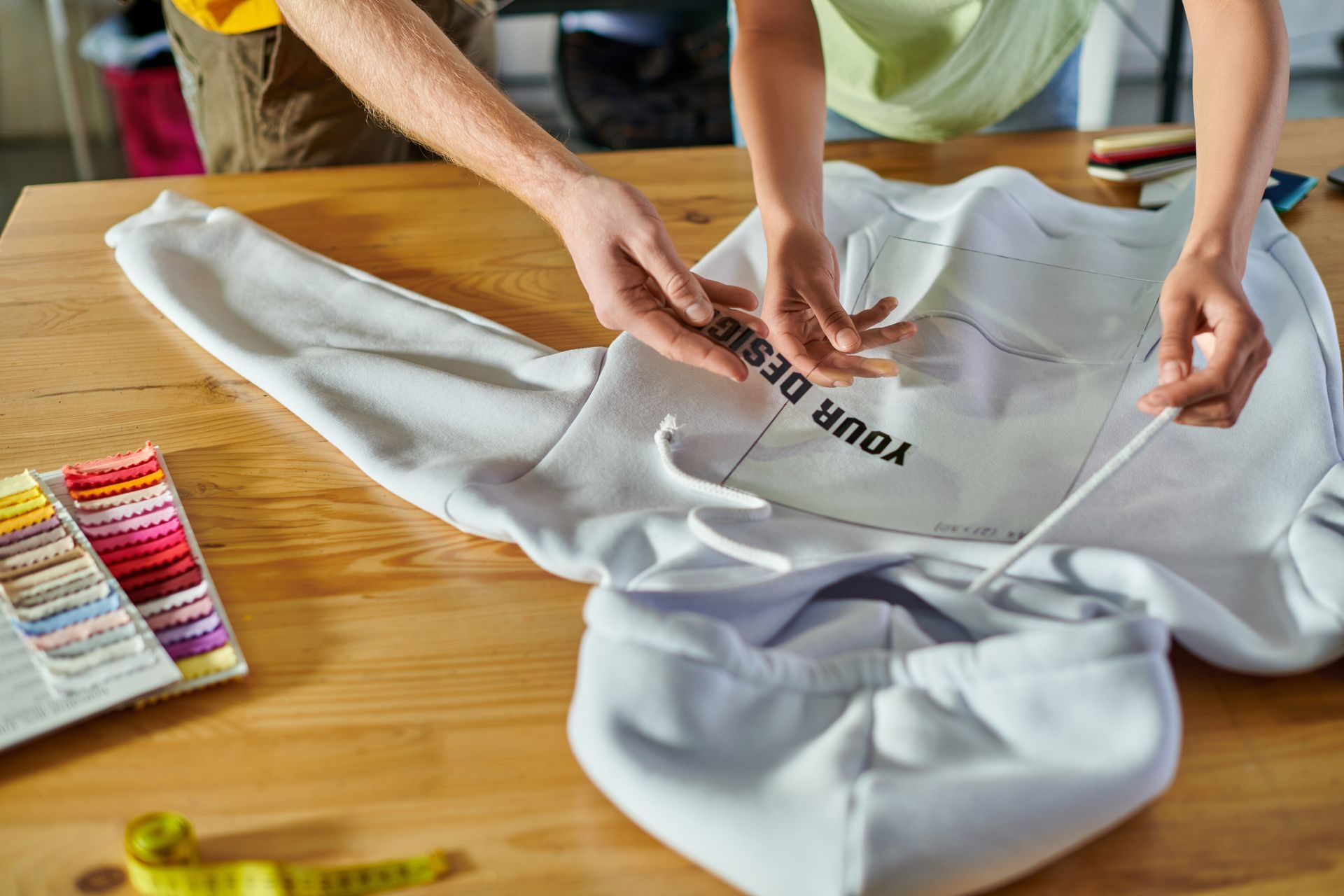
Cotton-based fabrics paired with screen printing are ideal for bold, large-scale branding. For fine detail or small logos, embroidery provides texture and durability. Many businesses combine both to meet branding and durability demands specific to their work.
Contact The Coffs Coast Team For Personalised Advice
If you are unsure which fabric or branding approach suits your business, the Coffs Coast team can help. They provide tailored recommendations and quotes that consider your branding goals, budget, and worksite conditions, helping you present a professional image with workwear that lasts.
Focusing on quality screen printing fabrics, especially natural cotton, supported by local advice from Coffs Harbour professionals, keeps your branded apparel vibrant and durable. That way your workwear performs as hard as your team does.